Mental Health:
Beyond MHAW
Mental Health Awareness Month just ended. But this conversation didn't start in May and neither should it end there.
Women Are Twice as Likely to Be Diagnosed With Anxiety and Depression
Here's something that we need to talk about more: women are twice as likely as men to be diagnosed with anxiety and depression. Not slightly more, twice.
The Gap Follows Hormones, Not Stress or Personality
And that gap isn't random. It doesn't exist in childhood; before puberty, girls and boys have nearly identical rates. At adolescence, the rates double for girls. They rise again at perimenopause. Then, after menopause, they start to even out again.
If this were purely about stress, or personality, or willingness to ask for help, that gap would look different. It wouldn't track so closely to hormonal transitions.
How Estrogen and Progesterone Influence Mood and the Brain
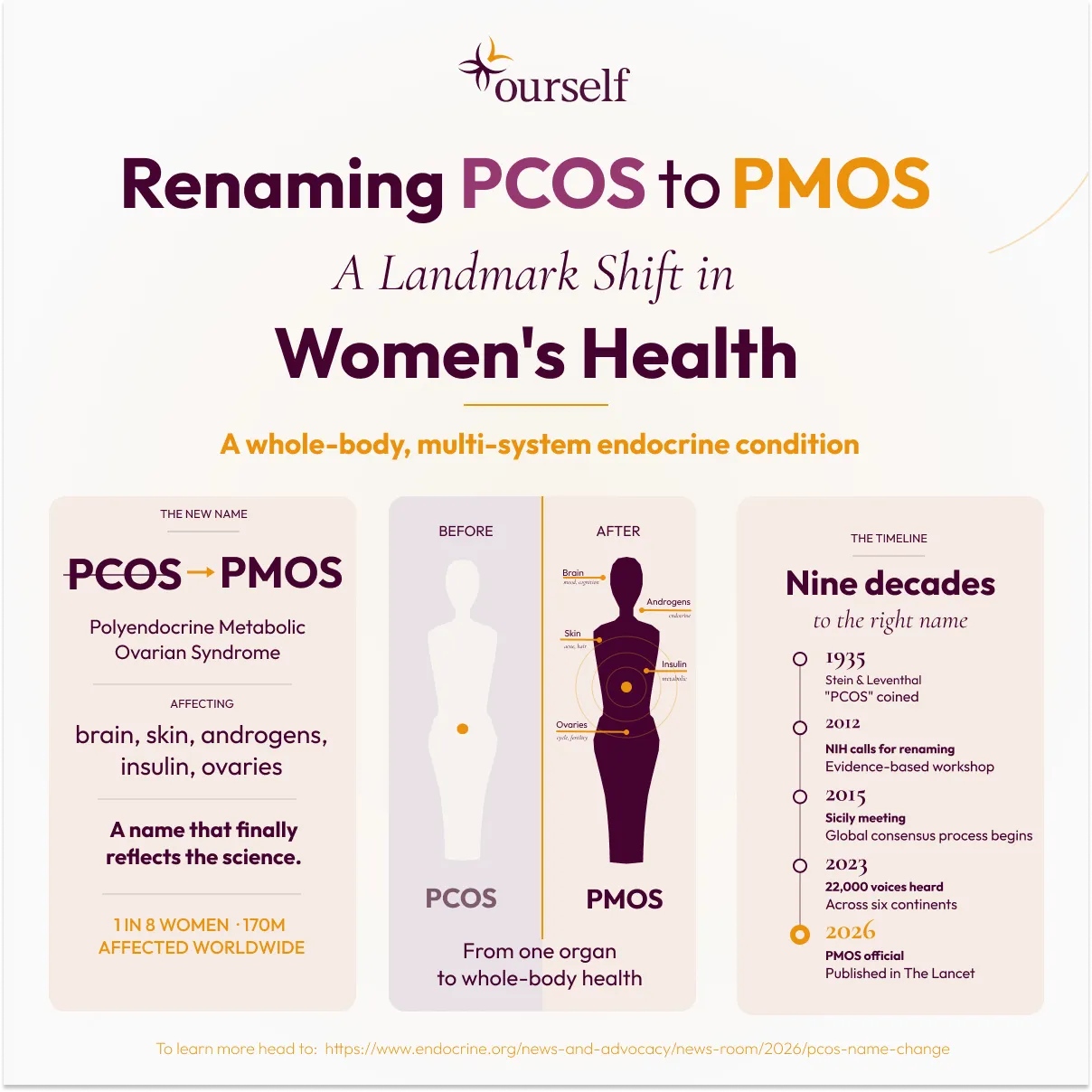
Here's what few people talk about: estrogen and progesterone aren't just reproductive hormones. They cross the blood-brain barrier and directly influence mood, cognition, and how the brain responds to stress. When they fluctuate, especially during transitions like ovulation, the premenstrual phase, pregnancy, postpartum, or perimenopause, the mental health impact can be real and significant.
The Case for Recognizing "Hormone-Sensitive Depression"
Researchers are calling for "hormone-sensitive depression" to be recognized as its own clinical category, because treating it without accounting for where a woman is in her cycle or her life stage often means the treatment doesn't fully work.
The Connections Most Women Are Never Told About
Most women I know have never been told any of this:
They've been offered antidepressants without anyone asking where they are in their cycle.
They've been told they're anxious without anyone connecting it to the week before their period.
They've been told they have postpartum depression without anyone explaining that estrogen drops 100x in the 24 hours following delivery.
They've been prescribed sleep aids for insomnia while progesterone (the hormone that promotes calm and sleep) starts declining in their late 30s.
They've been dismissed as tired or depressed before anyone thought to check their thyroid.
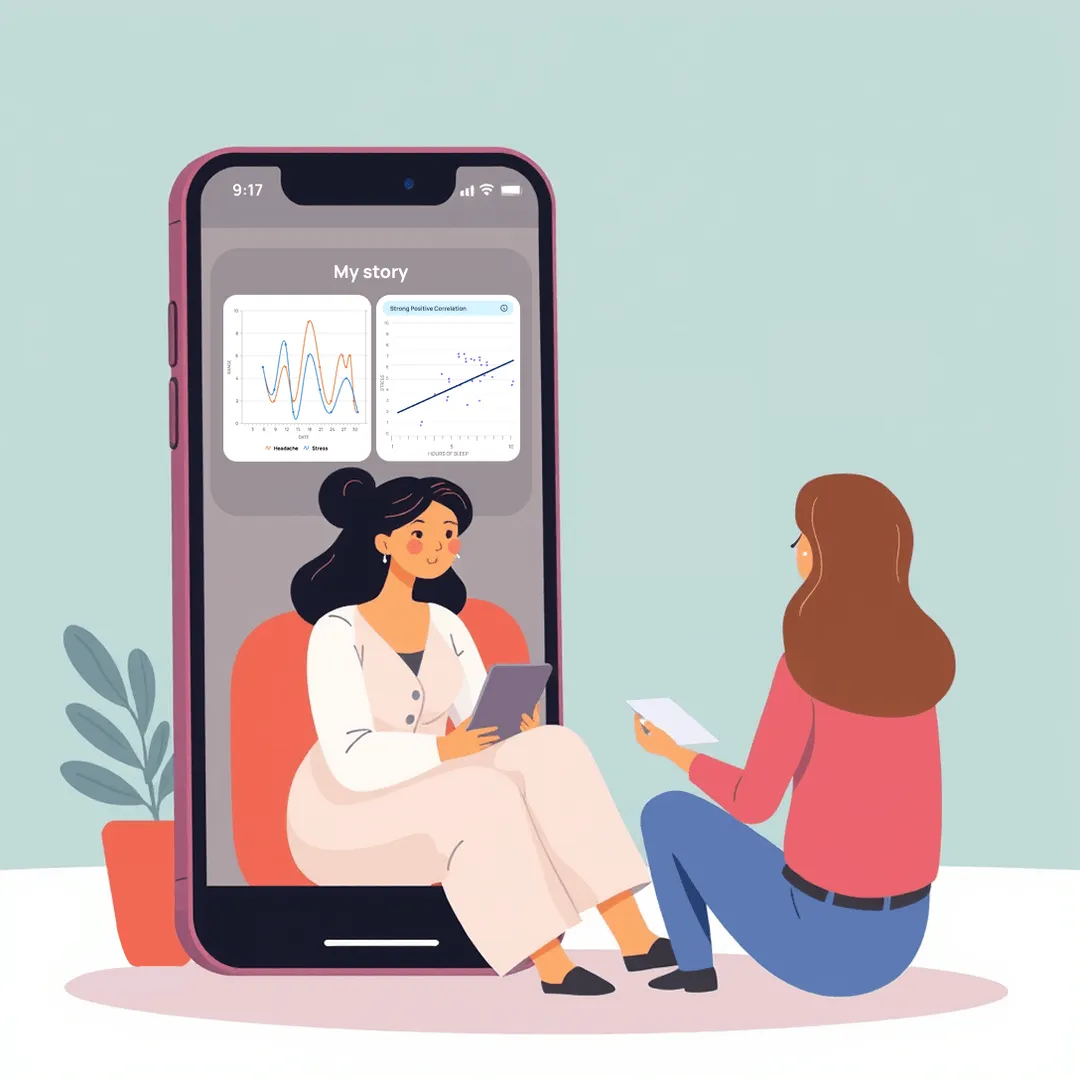
And I can go on. The result is countless women managing symptoms for years without ever seeing the pattern.
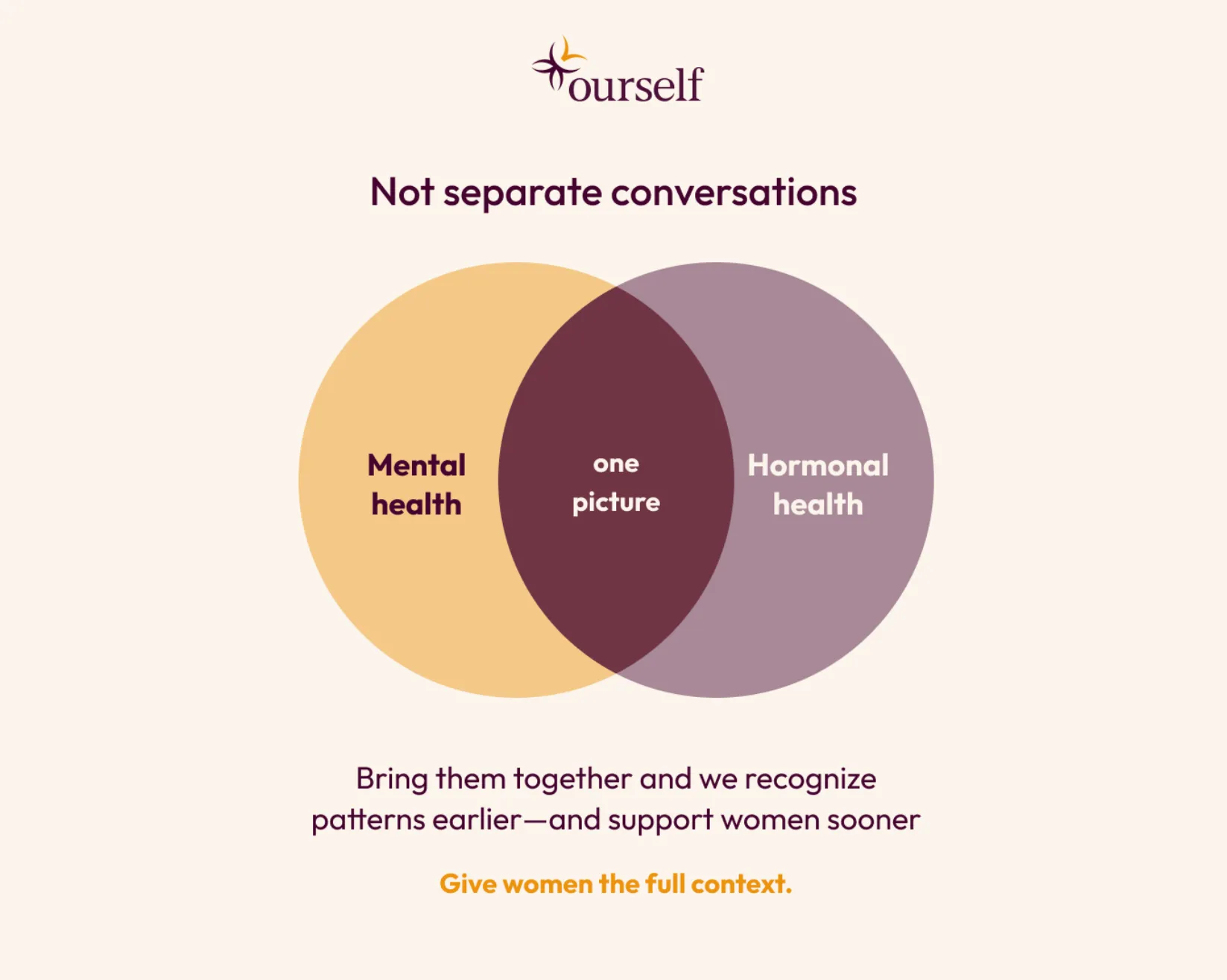
Mental Health and Hormonal Health Were Never Separate
Mental health and hormonal health are not separate conversations. They never were. The sooner medicine treats them that way, the better we can care for women.