
From our Founder

New mothers are starting GLP-1 in record numbers, but before we talk about whether that’s good or bad, it helps to understand what these drugs do in a body that just went through pregnancy.

From prevention and chronic conditions to menopause and aging, women’s health is expanding beyond reproductive care—and AI, diagnostics, and connected care are helping drive the shift.


Here’s how it actually went: a symptom showed up that had nothing to do with hormones, as far as anyone – including me – knew. I brought it to a doctor. They looked at it through the lens they’d been trained in, ran the obvious tests, found nothing alarming, and sent me home with a shrug and a “Let’s keep an eye on it and come back and see me in six weeks.”

Mental Health Awareness Month just ended. But this conversation didn't start in May and neither should it end there.
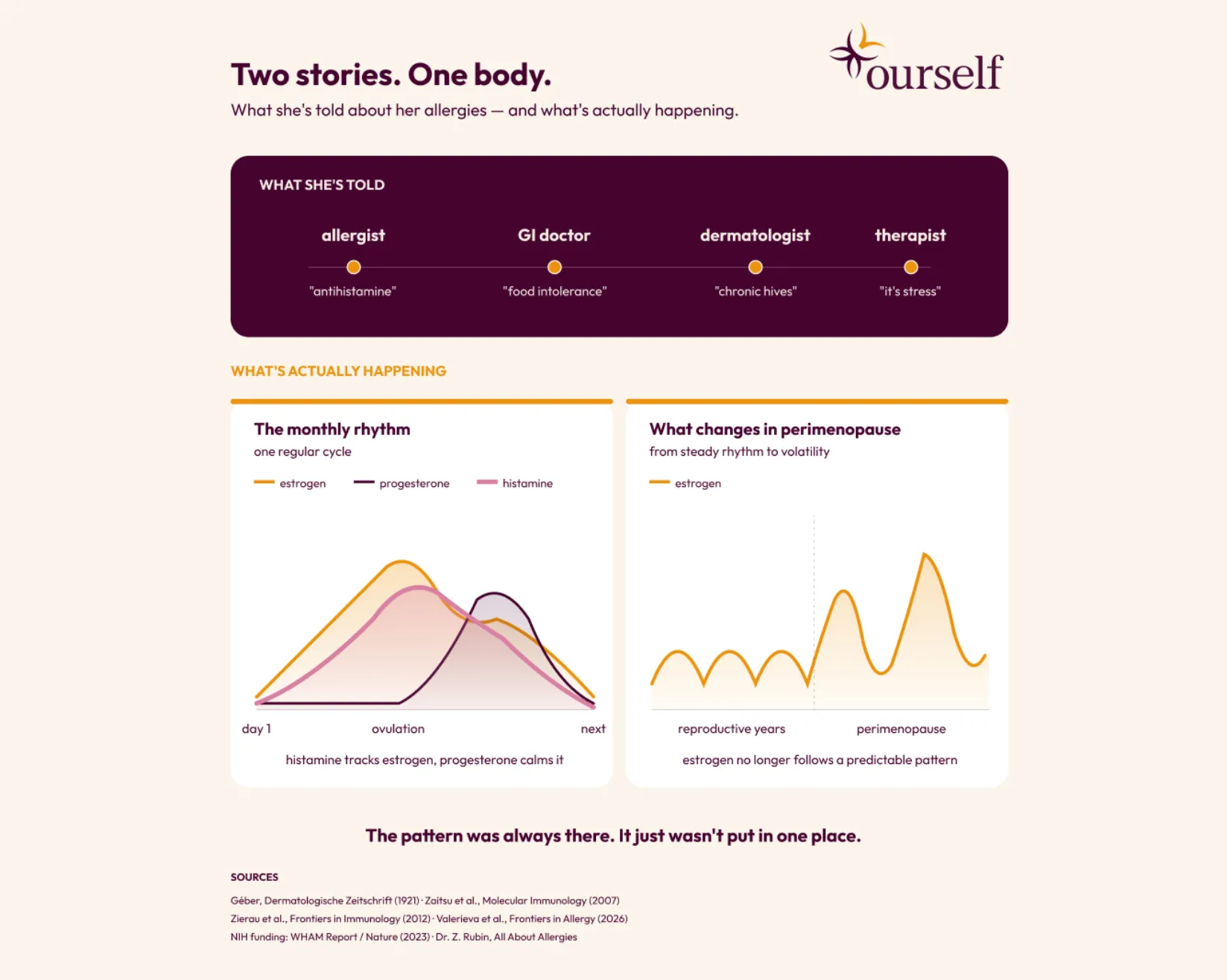
One of the most rewarding things we see at Ourself is the moment someone connects their symptoms back to their hormones, patterns they may have sensed for years, finally showing up as data they can point to.
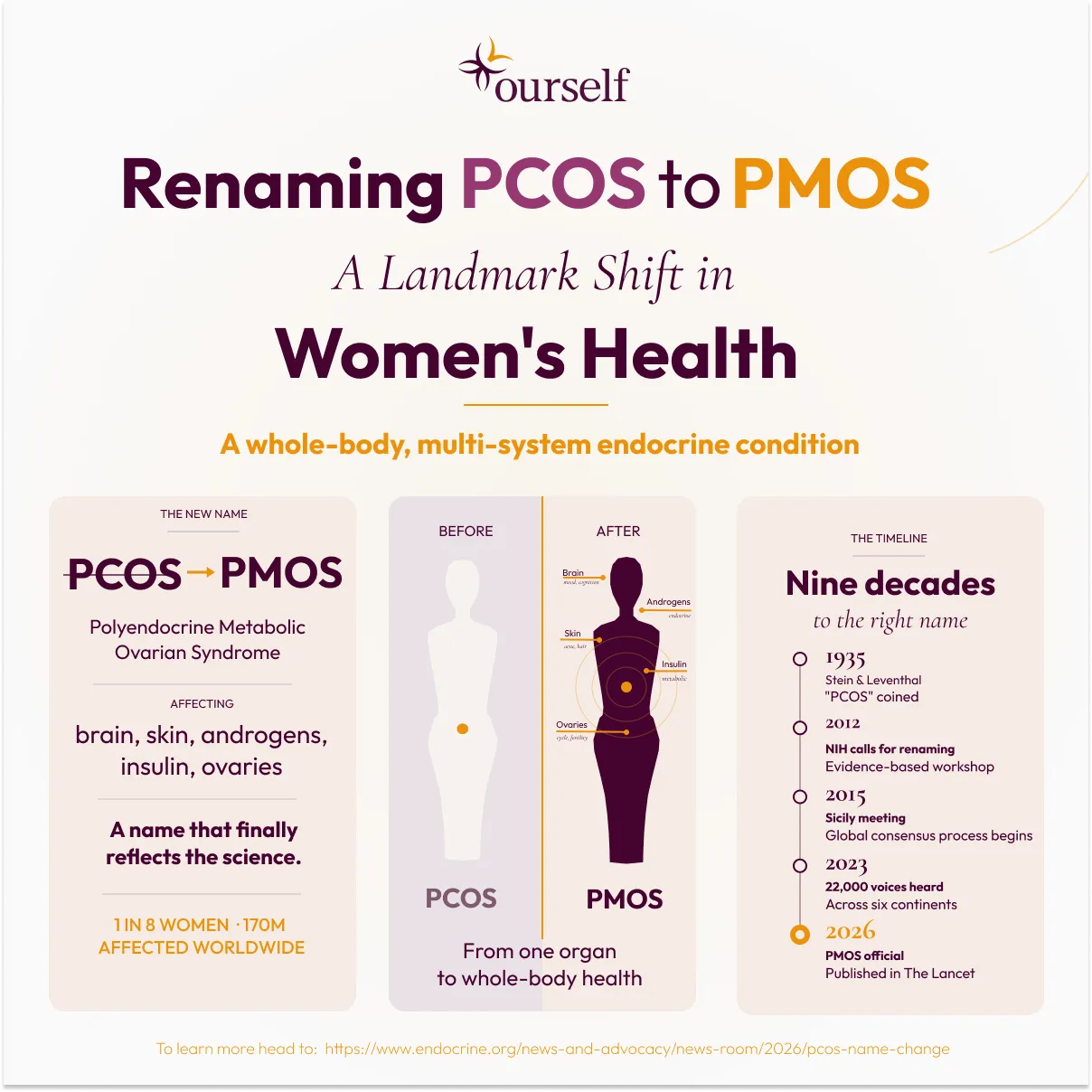
PCOS has a new name. As of this week, it's officially PMOS – Polyendocrine Metabolic Ovarian Syndrome. After 11 years and more than 22,000 patients, clinicians and researchers weighing in, the global medical community finally agreed with what millions of women have been urgently talking about: this condition was never really about ovarian cysts. Or gynecology, for that matter.

Ourself was always meant to help women guide themselves through their journey, and to serve as a tool to partner with their doctor. Bringing data will always make your conversations better. But what isn't said nearly enough, too often there isn't anyone to call or to visit.
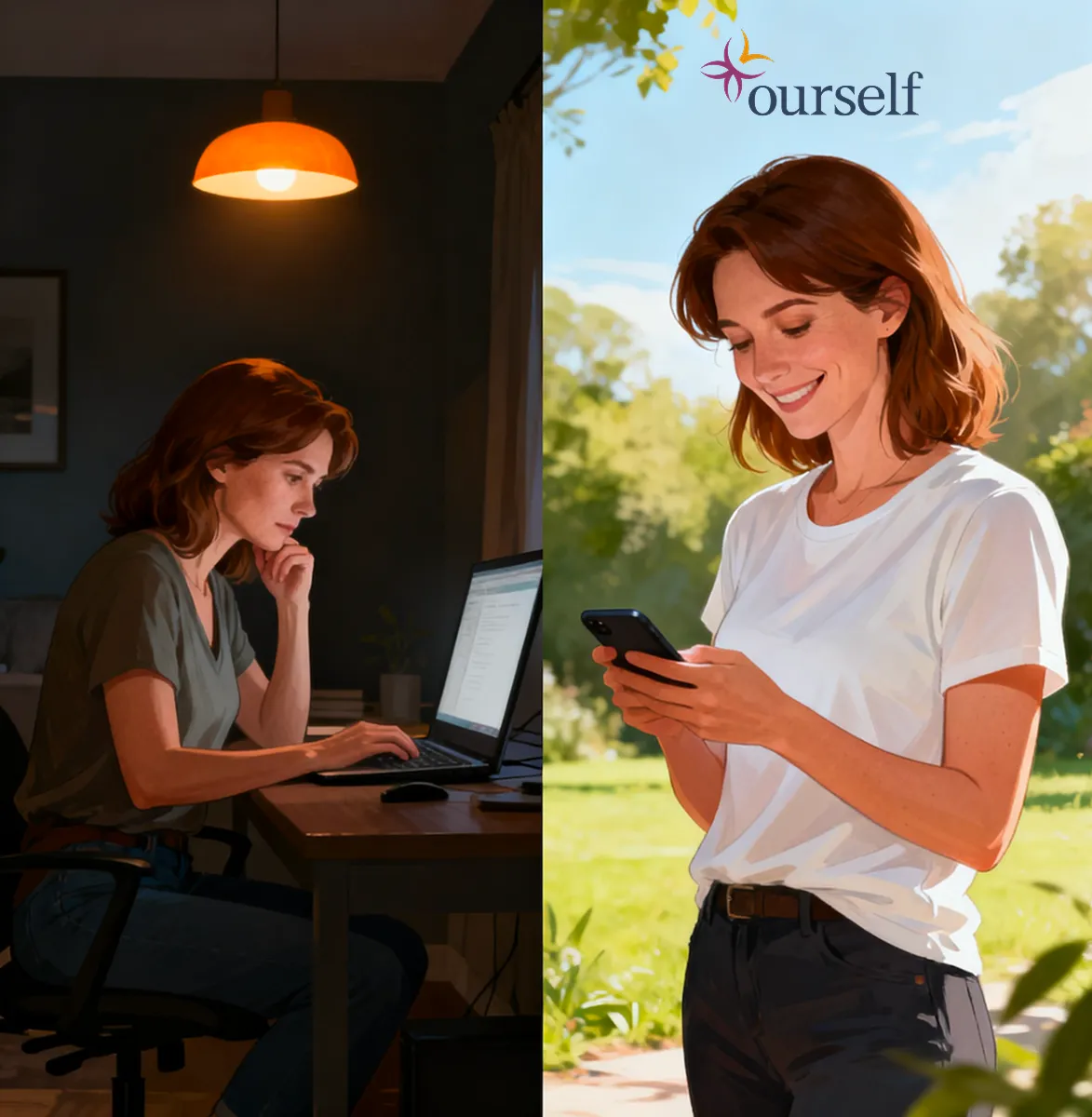
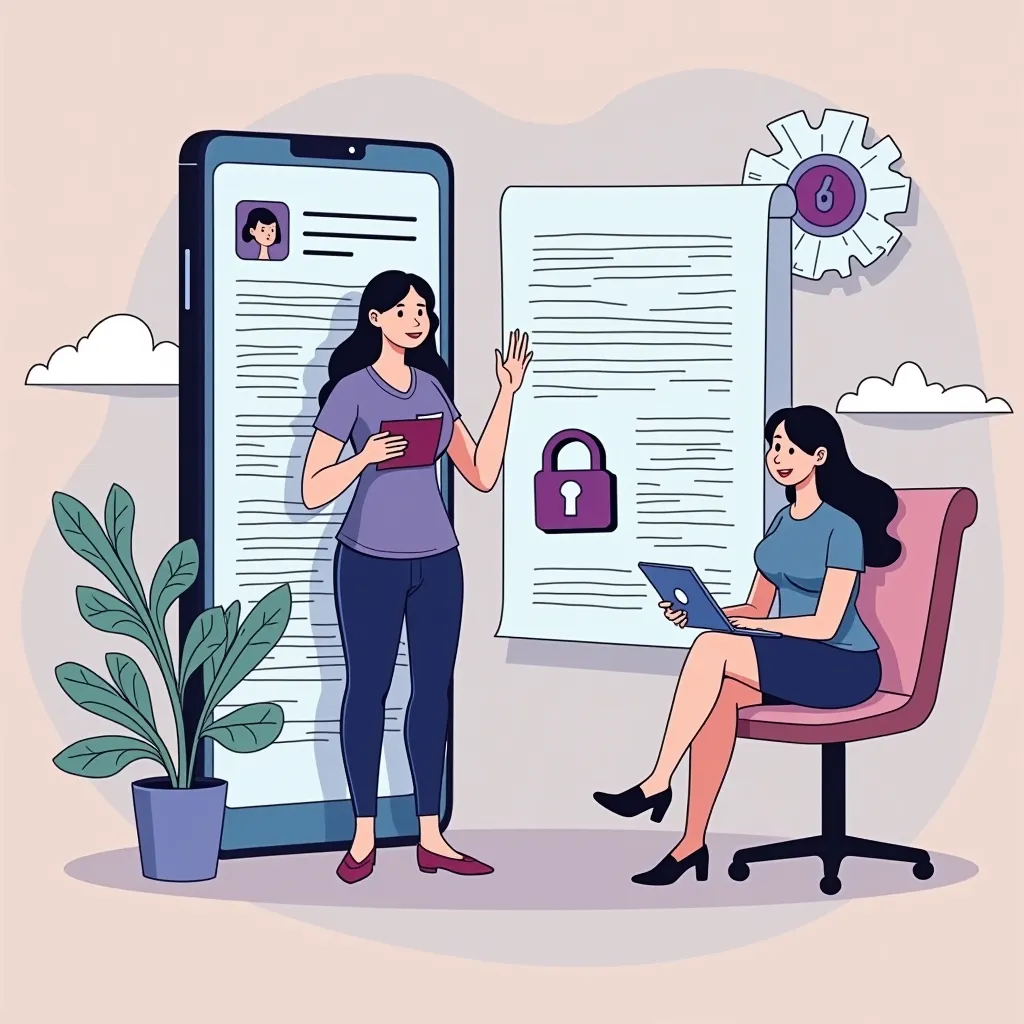
When I set out to build a women’s health app, I knew one thing for certain: it had to be safe. And safety starts with privacy.This is personal for me. I’ve experienced what happens when my health information is accessed, misinterpreted and misused without my consent. I’ve managed a condition that changed how others perceived me. I’ve also had two children and know first-hand how vital it is to be in control of every health decision along the way.
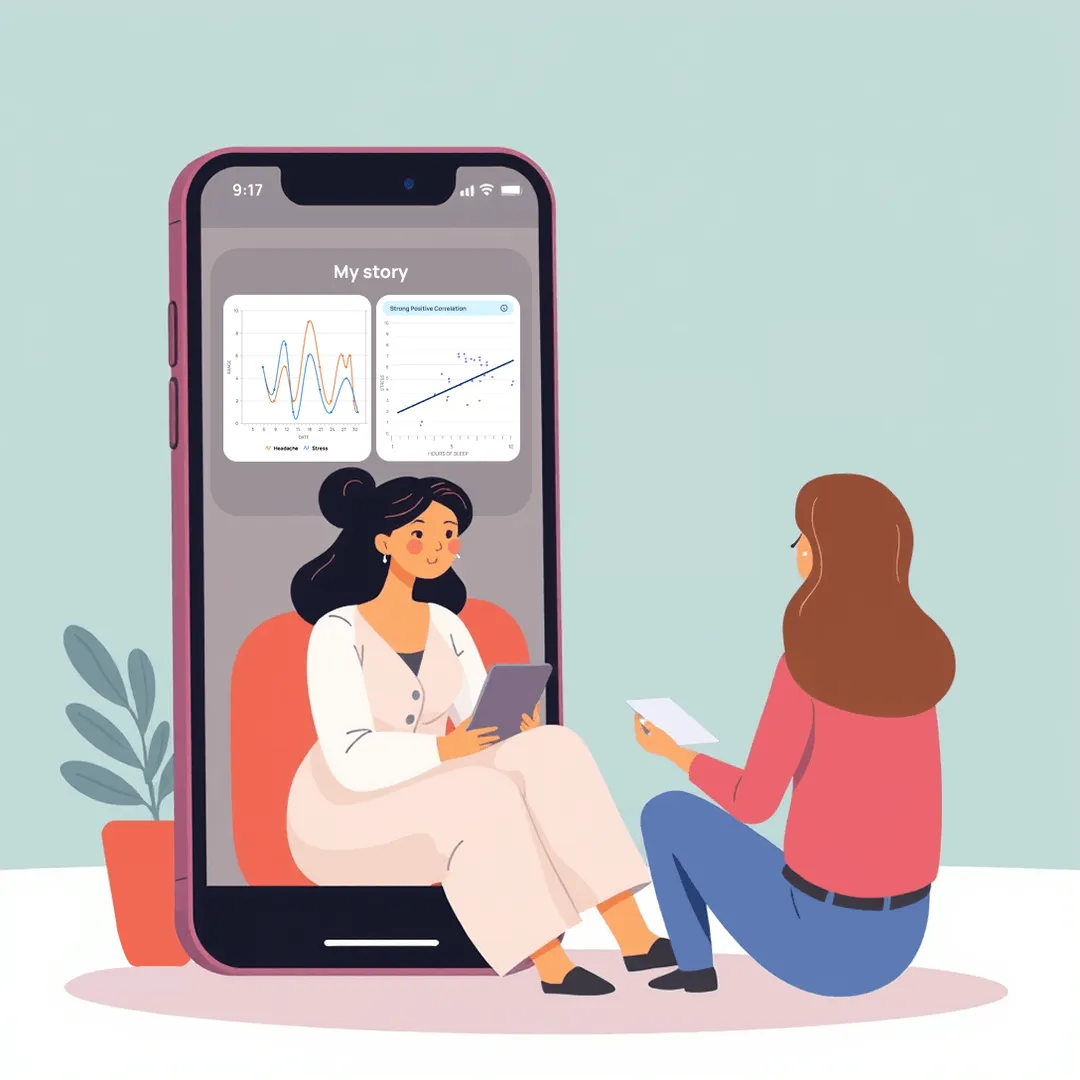
Tracking my symptoms and treatments with Ourself has completely changed the way I approach my health. Instead of guessing or relying on assumptions, I now have clear, actionable data to share with my doctors - making conversations more productive and solutions more targeted. This has led to better health decisions, more effective treatments, and doctor visits that actually feel helpful. If you've ever felt frustrated trying to explain your symptoms or find the right solutions, this approach could work for you too!
On International Women's Day, the reality of how underfunded women's health research continues to impact our daily lives-leading to misdiagnoses, ineffective treatments, and dismissed concerns. At Ourself, we hear countless stories from women facing these struggles, from infertility to menopause. We need to take action by advocating for ourselves, tracking our health data, and pushing for change. I created Ourself to help women take control of their health journey so we can all work together to close the gap and ensure better care for all women.

No items found.
Clear Filters

